Homeowners in Bothell, WA want quieter garages. Effective garage door maintenance can reduce noise, extend equipment life, and improve comfort in attached homes. This guide focuses on practical, local-ready steps and service options so you can tackle noise with confidence.
Why noise matters for garage door maintenance
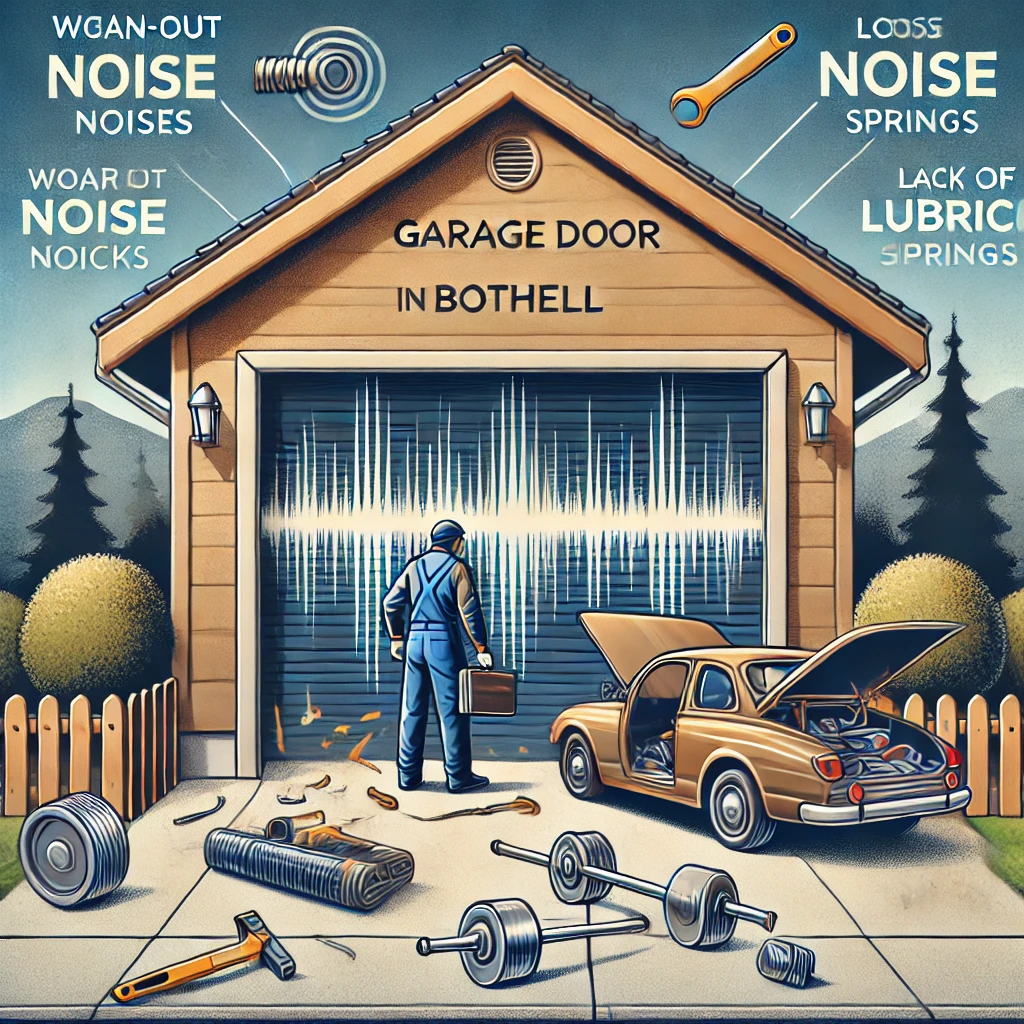
Noisy garage doors are more than an annoyance. Squeaks, rattles, and clanks can signal worn rollers, loose hardware, or failing openers. Regular garage door maintenance prevents small issues from becoming costly repairs and helps protect vehicles and stored items from vibration damage.
Quick diagnostics: identify the source
Before you call for service, a basic inspection at home in Bothell can pinpoint common noise sources. Use a flashlight and a notepad.
- Rollers: Look for cracked nylon, excessive rust, or sideways wobble.
- Hinges and brackets: Check for loose bolts and metal on metal contact.
- Tracks: Look for dents, debris, or misalignment.
- Springs: Listen for high-pitched hums or sudden snaps (do not attempt to repair springs yourself).
- Opener: Older belt, chain, or screw drives make distinct sounds when worn.
Noting which component sounds loudest helps a technician perform faster, more accurate garage door maintenance on arrival.
Practical noise reduction steps you can do
Several effective actions reduce noise without major parts replacement. These are low-cost and suitable for homeowners who want to improve quietness before scheduling a full service.
1. Lubrication and cleaning
Clean away dust and apply lubricants to moving parts. Use a silicone or lithium spray made for garage doors on rollers, hinges, and the torsion spring bearings. Avoid heavy grease on nylon rollers; it attracts dirt.
2. Replace worn rollers
Nylon rollers are quieter than metal rollers. Replacing metal rollers or visibly damaged rollers is one of the fastest ways to reduce clatter. This is a common item on a garage door maintenance checklist.
3. Tighten, then listen
Loose bolts and brackets cause vibration noise. Tighten hardware in a star pattern across the door to avoid warping. After tightening, operate the door slowly to detect remaining noise sources.
4. Add dampening pads
Small rubber or felt pads at door-to-frame contact points reduce slam and vibration. These are inexpensive and suitable for rental properties or quick fixes.
When professional garage door maintenance is the right call
Some tasks should be handled by a trained technician for safety and lasting results. In Bothell’s climate, moisture and seasonal temperature swings accelerate wear on springs, cables, and openers. Professional service is recommended when:
- Springs or cables need adjustment or replacement.
- The opener motor emits grinding or electrical noises.
- Tracks are bent or the door is out of balance.
- You want an upgrade to a quieter belt-drive opener or nylon rollers.
A licensed technician safely adjusts spring tension, aligns tracks, and can recommend noise-reduction upgrades matched to your door type and budget.
Noise reduction upgrades and options
Investment in upgrades pays off in quieter operation and fewer repairs. Consider these options during your next garage door maintenance visit:
- Belt-drive openers: Quieter than chain drives, ideal for garages attached to living areas.
- Nylon or precision rollers: Reduce rolling noise and wear.
- Insulated panels: Dampen sound and improve thermal performance for year-round comfort.
- Quieting kits: Anti-vibration pads, noise-reduction hinges, and soft-close hardware.
Upgrades can be combined with routine garage door maintenance to maximize life span and comfort.
Seasonal tips for Bothell homeowners
Bothell’s wet, cool seasons mean extra attention to corrosion and moisture-related issues. Follow these seasonal tips as part of your regular garage door maintenance routine:
- Fall: Clean tracks and lubricate before heavy rains to prevent buildup.
- Winter: Warm garage interiors briefly before adjusting springs or lubricants if temperatures dip below freezing.
- Spring: Inspect for rust and replace any metal rollers or corroded hardware.
Document what you do and when—this helps technicians diagnose history-based issues more quickly.
Costs and timing: what to expect
For simple noise-reduction garage door maintenance in WA, expect a broad price range depending on parts and labor:
- Basic tune-up (lubrication, tighten hardware): commonly a modest flat fee.
- Roller replacement: cost varies by roller type; nylon rollers cost more but are quieter and last longer.
- Opener replacement (belt-drive): mid to higher range, but notable noise reduction.
- Spring replacement: safety-critical service priced for skill and risk; always hire a pro.
Turnaround for maintenance-only visits is often same-day to within a few days, depending on parts availability and workload. For full replacements, plan for a scheduled appointment window and part delivery.
How we approach noise reduction during service
Our technicians follow a structured garage door maintenance process focused on quiet, reliable operation:
- Pre-inspection and sound-source diagnosis.
- Targeted repairs or replacements for rollers, hinges, and openers.
- Balance testing and safety sensor checks.
- Post-service demonstration and homeowner tips to maintain quiet operation.
Learn more about typical maintenance services and upgrade options on our services page.
When permits or warranties matter
Most garage door noise-reduction tasks do not require municipal permits, but structural changes or electrical upgrades tied to the opener may. If work affects wiring or alters structural mounts, your technician will advise on whether a permit is necessary. Always retain receipts and warranty documents after professional garage door maintenance; many parts carry limited warranties, and documentation supports future claims.
Local support and next steps
If you want step-by-step guides, seasonal checklists, or DIY safety tips for quieter doors, visit our blog for detailed articles and photo guides. Ready to schedule a service visit or need a fast estimate? Contact our local team directly to arrange an on-site noise assessment and maintenance plan.
Reliable garage door maintenance reduces noise, improves safety, and saves money over time. Whether you need a quick tune-up, roller replacement, or an opener upgrade, local pros in Bothell, WA can tailor the solution to your home and budget.
Schedule a service appointment or get a quote today through our contact page.
Frequently asked questions — Bothell, WA
Q: How does Bothell weather affect garage door noise?
A: Wet, cool seasons accelerate rust and stiffness in moving parts. Regular lubrication before heavy fall and winter rains and spring corrosion checks are key parts of garage door maintenance to keep noise down.
Q: How long does a noise-focused maintenance visit usually take?
A: A focused noise-reduction maintenance visit typically takes 45–90 minutes for inspection, lubrication, and basic parts replacement (rollers or pads). If springs or major parts need replacement, plan for a longer appointment.
Q: What price range should Bothell homeowners expect for quieting upgrades?
A: Basic tune-ups are lower cost; replacing rollers or adding dampening pads is moderate. Belt-drive opener replacements and insulated panels cost more but offer the best long-term noise reduction. Ask for an itemized estimate during garage door maintenance.
Q: Are spring or cable repairs covered by warranties?
A: Some manufacturers cover parts like springs and openers under limited warranties, but labor is often separate. Keep all receipts and warranty paperwork provided after your garage door maintenance visit to confirm coverage.
Q: Do I need a permit for opener or structural mounting changes in Bothell?
A: Minor maintenance rarely needs a permit. Structural changes or electrical work related to a new opener may require permits. A qualified technician will advise and, if needed, help you obtain local permits.
Helpful local resources in Bothell, WA
- Garage Door Repair Seattle
- Garage Door Repair Bellevue
- Garage Door Repair Redmond
- Garage Door Repair Kirkland
- Garage Door Repair Mercer Island
- Garage Door Repair Edmonds
- Garage Door Repair Issaquah
- Garage Door Repair Tacoma
- Garage Door Repair Everett
- Garage Door Repair Bothell
- Garage Door Repair Sammamish
- Garage Door Repair Renton
- Garage Door Repair Lynnwood
- Garage Door Repair Woodinville
- Garage Door Repair University Place
- Garage Door Repair Gig Harbor
- Garage Door Repair Lakewood
- Garage Door Repair Puyallup
- Garage Door Repair Mukilteo
- Garage Door Repair Vancouver
- Garage Door Repair Kenmore
- Garage Door Repair Burien
- Garage Door Repair Auburn
- Garage Door Repair South Hill
- Garage Door Repair Yarrow Point
- Garage Door Repair Clyde Hill
- Garage Door Repair Port Townsend
- Garage Door Repair Duvall
- Garage Door Repair Snoqualmie